
EV infrastructure is for everyone, everywhere.

EV infrastructure can transform American life.
Getting chargers in the ground can give drivers the option to switch to electric vehicles by providing more choices of where and when to charge, ease the burden of rising fuel costs, stabilize our strained electricity grid, create union jobs across the country, reduce hazardous air pollution, and mitigate the many effects of climate change.
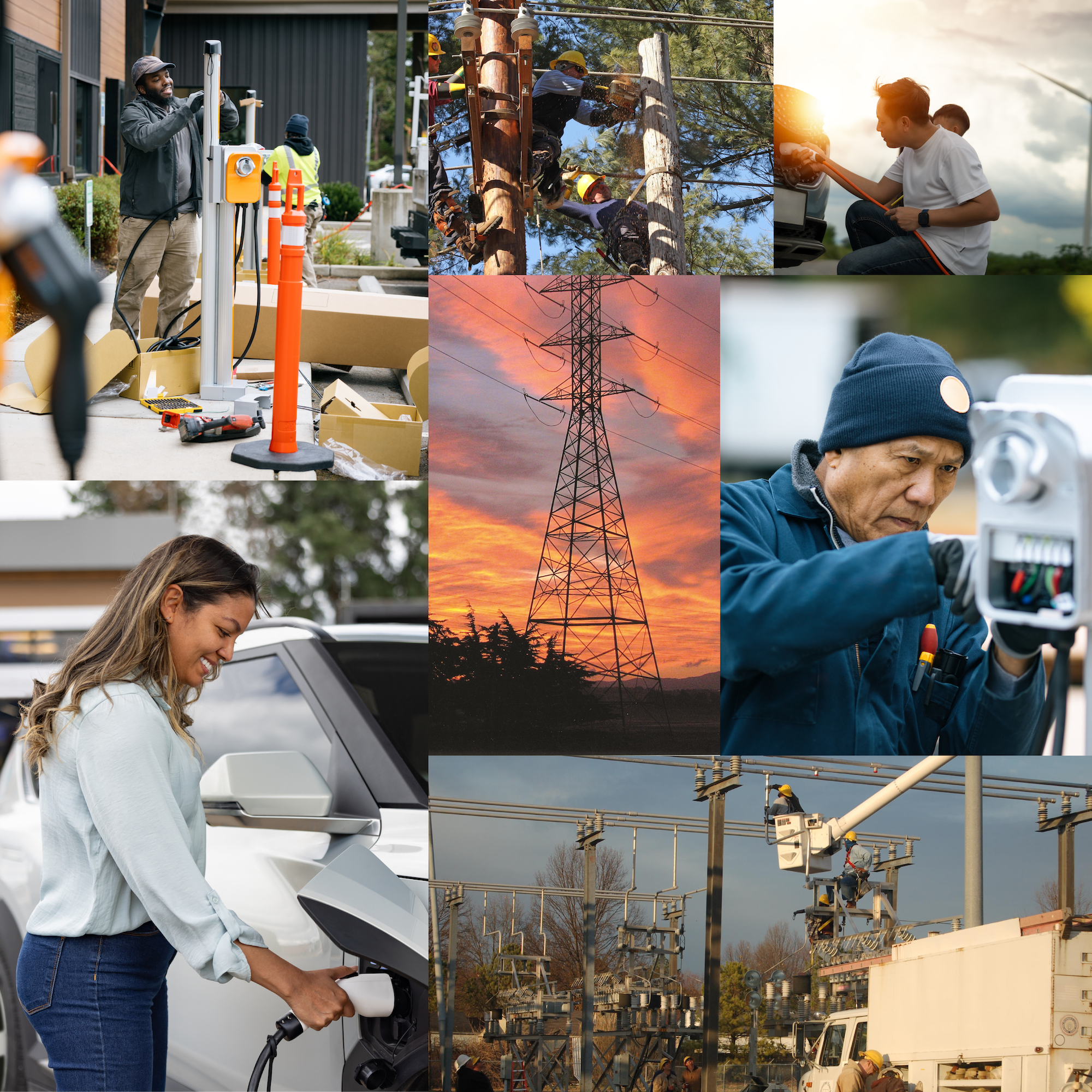

America needs to unleash EV charging.
-
![]()
45% of drivers who opt against driving electric still cite charging availability as a major barrier.
-
![]()
Fleet owners also cite charging infrastructure limitations as a key reason they are not transitioning to EVs more quickly.
-
![]()
We need to unleash EV charging to reach more communities and businesses. Innovative state policy can help the market drive even faster, reaping benefits for our economy, our health and our grid.

Affordable Energy
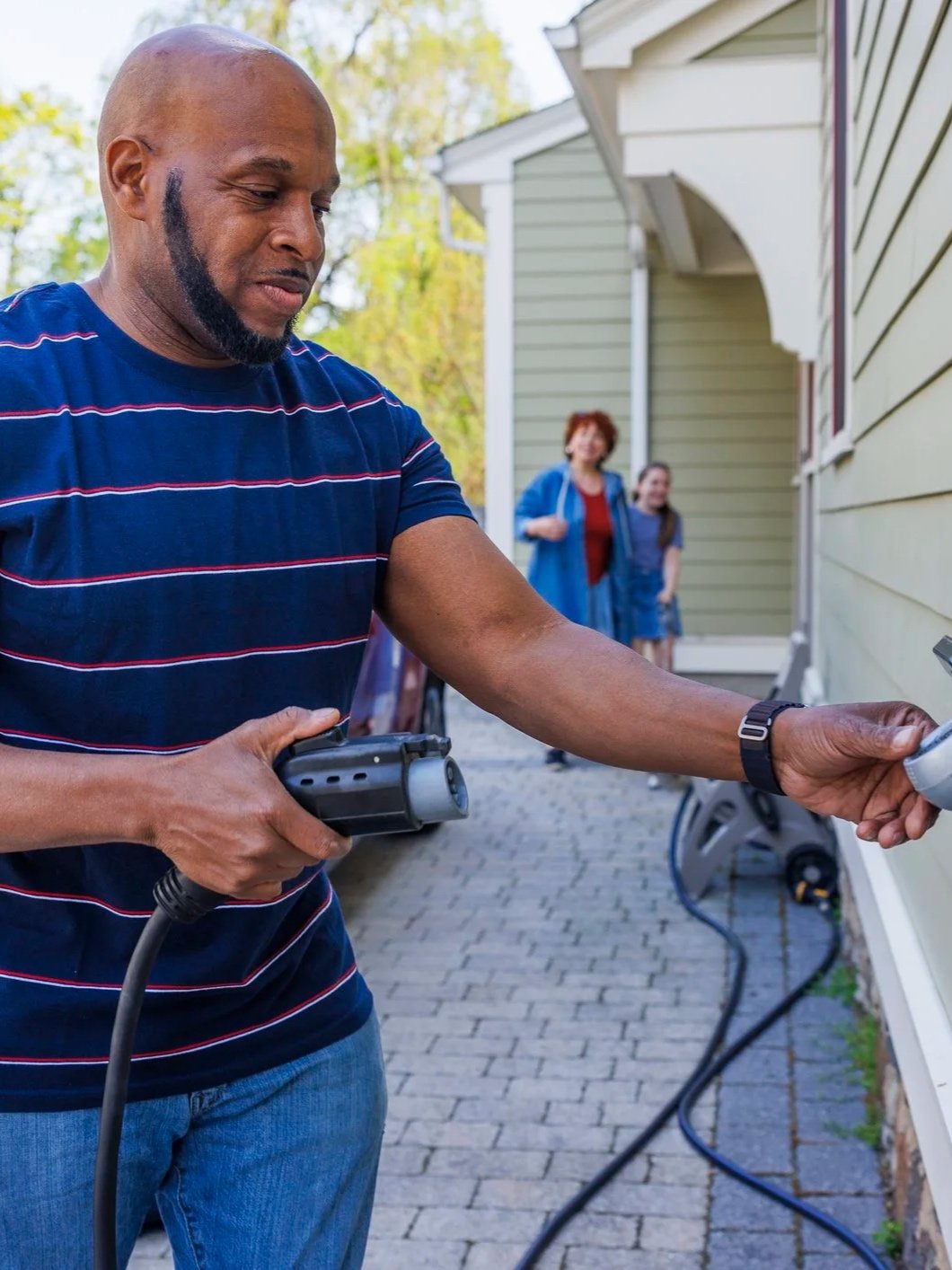
Powering a vehicle with electricity can be more affordable than filling it up with gas — and EV charging helps keep the price of electricity lower for everyone, no matter what they choose to drive. EV charging generates more revenue than it costs utilities to serve, and that extra revenue can help delay or reduce rate increases.
A 2026 New York Times analysis found that typically, traveling 100 miles in an EV and charging at home costs one-half to one-third as much in fuel costs as traveling in a standard gas car.
According to a 2026 analysis by Synapse Energy Economics, between 2011 and 2024, Americans paid billions of dollars less on their electricity bills than they would have without EVs on the road. That’s because EV charging contributes more revenues than costs to electric utilities in all 48 contiguous U.S. states. That result is consistent across both rural and urban states (which have different needs in terms of electrical distribution and transmission buildout to serve charging stations) and across both high- and low-EV adoption states (which accrue grid infrastructure costs and charging revenues at different speeds).
Utilities’ own research backs up these findings. A 2025 report by Consumers Energy, an investor-owned utility that serves the majority of Michigan residents, projects more than $755 million of downward rate pressure from net EV charging revenues between 2025 and 2031.
Stronger Economies
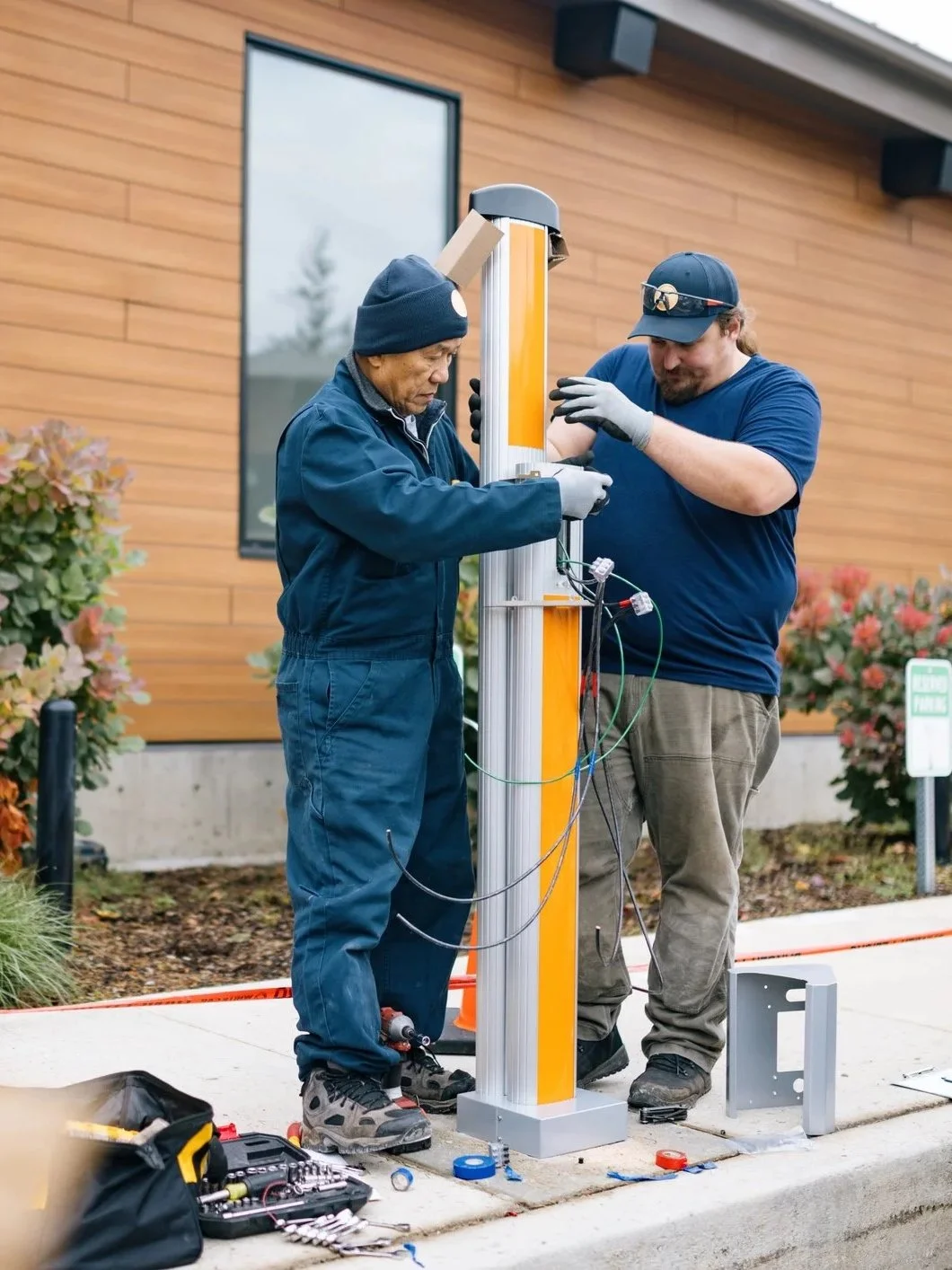
EV charging stations are economic powerhouses. You don’t have to drive an EV to want more chargers in your community — infrastructure modernization brings capital investment, union jobs, more tax revenue, and increased economic activity in the surrounding area.
An E2 analysis of labor market data found that EV charging jobs in the U.S. grew 38% between 2021 and 2024.
According to a 2024 analysis by the International Council on Clean Transportation, half of jobs created by EV charging infrastructure growth are in electrical installation, maintenance, and repair — with the rest upstream in software maintenance and repair, planning and design, charger assembly, general construction labor, administration, and legal. Many of these family-sustaining careers are union jobs that can be accessed through registered apprenticeships and training programs without requiring a four-year degree.
A 2024 study by MIT found that EV charging stations increase sales for nearby businesses between 2.7 and 3.2 percent.
Expanding EV charging into more communities also makes it possible for more drivers to shift to EVs, and save those drivers money compared to driving gas-powered cars. This is especially true for used cars, where a 2026 RMI analysis found that low-cost used EVs cost 10 percent less on average than their gas equivalents, and switching to an EV can cut a driver’s operating costs 40–65 percent depending on how they charge.
Healthier Communities

When communities have clean transportation options, everyone breathes cleaner air. Affordable and reliable access to EV charging in underserved communities is the key to unlocking local air quality benefits and reducing the burden of healthcare costs associated with asthma, lung cancer, and other pollution-related chronic illnesses.
The toxic airborne chemicals in tailpipe pollution are a main cause of America’s chronic disease crisis. According to a 2026 analysis by the International Council on Clean Transportation, pollution from producing and consuming fuel for road transportation is responsible for more than 41,800 premature deaths and 23,100 new pediatric asthma cases across the U.S every single year.
According to the American Lung Association, the most impacted Americans live near major transportation corridors and hubs, and are disproportionately low-income and/or Black and Brown. Children, older adults, and people with disabilities are especially vulnerable.
A 2026 study by Keck School of Medicine USC found that for every 200 EVs newly registered in a typical California neighborhood, local smog-forming pollution levels dropped by 1.1%. With tens of thousands of new EVs being sold each month in the U.S., those pollution reductions (and the resulting health benefits) can add up fast.
Resilient Electric Grids
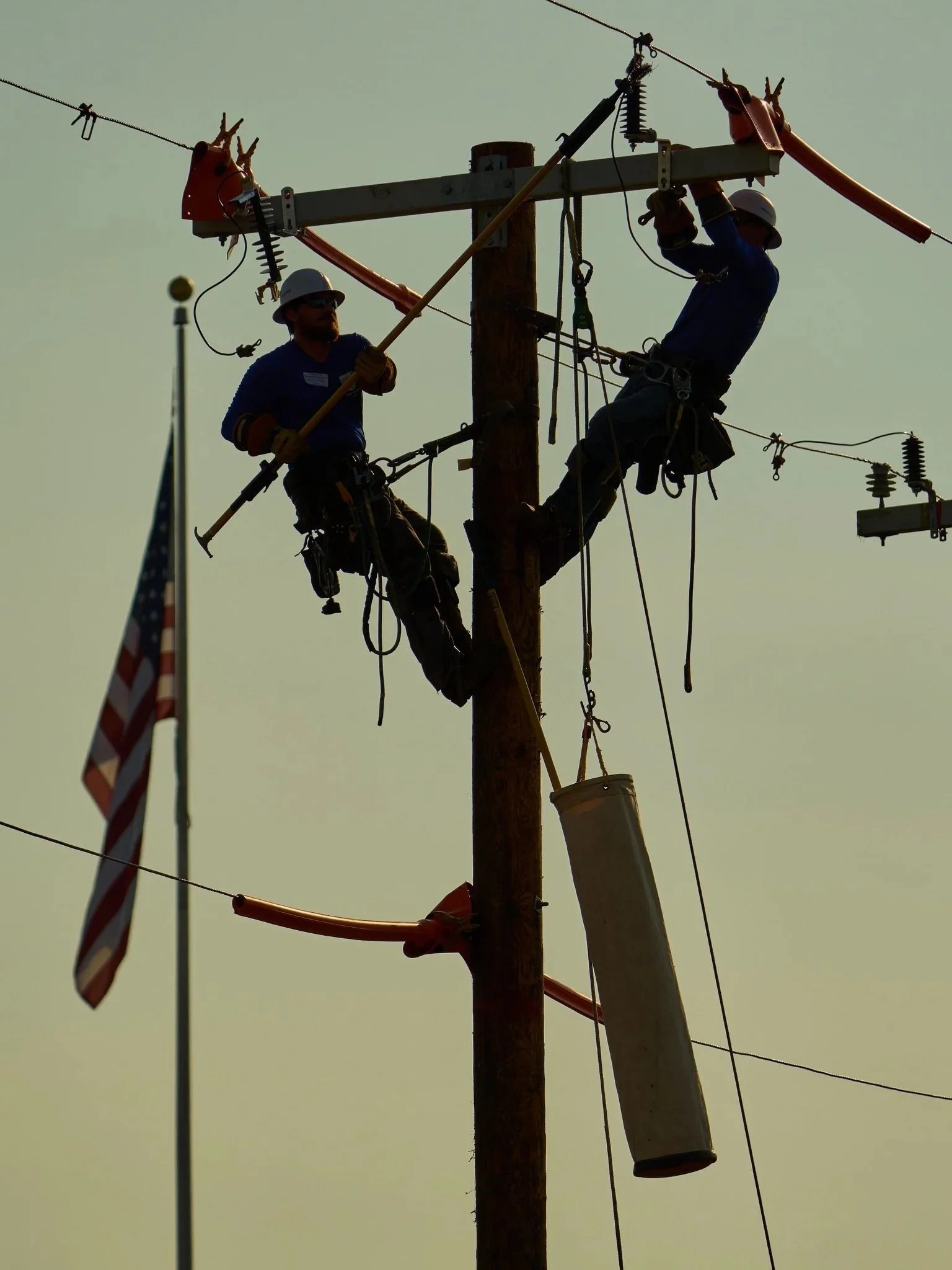
EV charging done right can help ensure our grid is always there when we need it. Using “managed charging” programs to optimize when and how EVs are charging can help bolster the strength of our electricity grid. “Vehicle-to-grid” (V2G) charging systems can even pump electrons from EV batteries back into the grid to help ease spikes in electricity demand, lower energy bills, provide on-site backup power, and prevent blackouts. Broadly, these vehicle-grid integration (VGI) solutions allow EVs to provide another layer of benefits for our grid and our economy.
A 2025 study by the Union of Concerned Scientists found that VGI solutions in California enable electricity savings across all scenarios studied, ranging from $1.8 billion to $11.7 billion per year in 2045.
The same study found California’s VGI savings come from the reduced buildout of electricity system infrastructure. VGI reduced electricity delivery costs by reducing peak demand on the distribution system and by better matching electricity demand to variable renewable electricity production. Sources of generation savings included avoided natural gas generation and bulk energy storage.
A recent report from The Brattle Group found that using active managed charging can cut EV charging demand peaks by up to 50%, double the hosting capacity of the distribution system, defer distribution upgrades by up to 10 years, reduce system costs by up to $400 per EV annually, and shift 95% of charging to off-peak hours.